

We walk alongside the whānau we seek to support through education, advice and interventions so no child is admitted to hospital with a housing indicator condition.


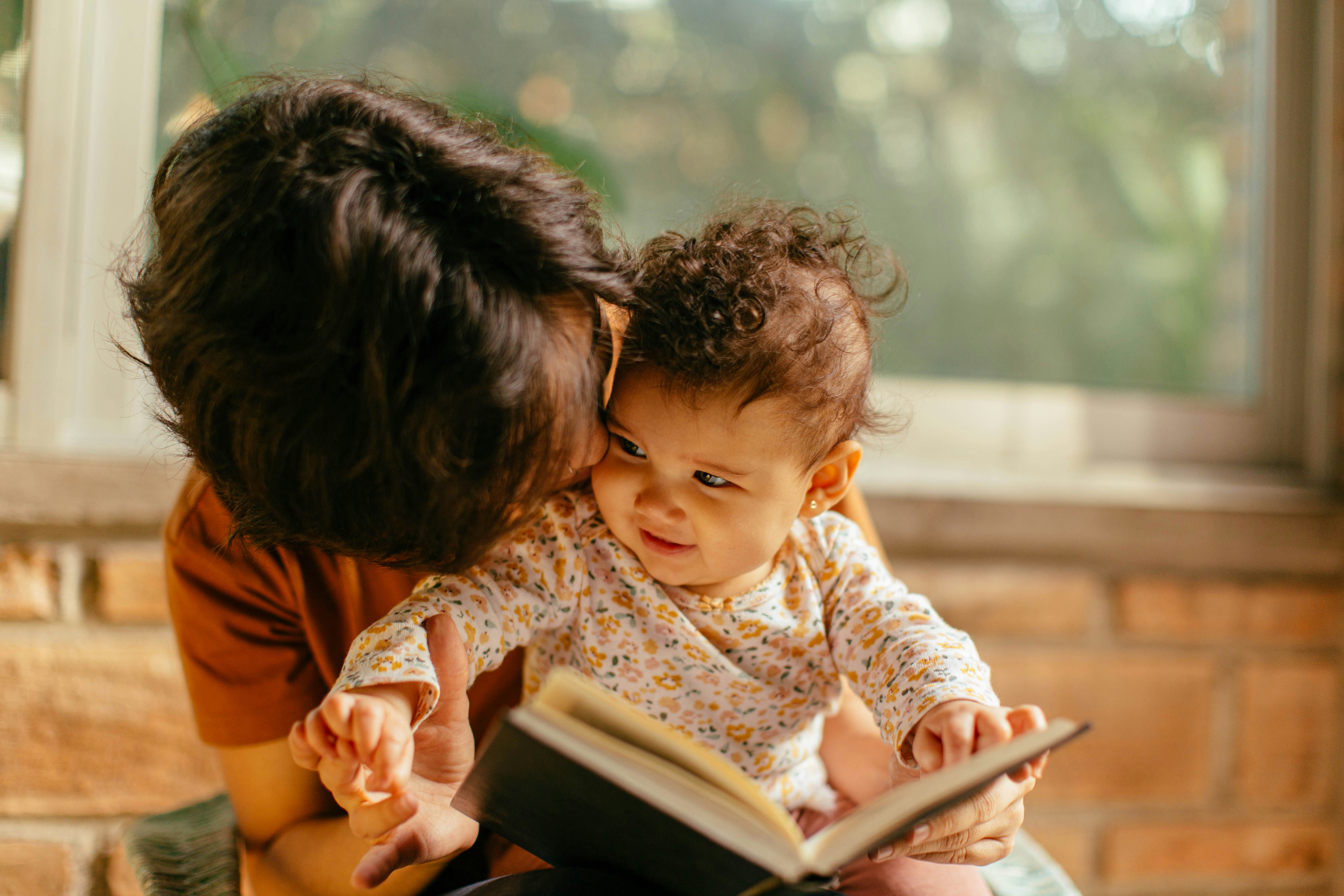
Who we support
We support low-income whānau who are New Zealand citizens or permanent residents and have one or more of the following people residing in their home:
• Someone who is pregnant
• 0–5 year-old child
• One or more children 19 years or under who have been ill with a respiratory condition, skin infections or other housing related conditions*
• Someone with a history of rheumatic fever
• One or more people with multiple positive strep throat swabs
How we can help
Advice
We provide comprehensive education and advice on creating a warmer, drier, healthier home. Our information booklets, online resources and workshops are full of tips and techniques to empower whānau with simple, effective, purposeful skills to keep their home healthy. We also hold Ready to Rent workshops to support whānau with understanding the rights and responsibilities of tenants and landlords and how to maintain a healthy tenant / landlord relationship.
Social Services
The team from Te Puna Manawa HealthWEST and Vaka Tautua are experienced Kaiāwhina / Community Support Workers who can support you and your whānau with your needs and connect you with wider social supports in the community.
Tools & Interventions
Our team of healthy homes professionals provide households with useful interventions that make homes warmer and healthier.
These may include:
• Winter warmer packs
• Mould cleaning kits
• Beds and bedding
• Curtains
• Heating
• Insulation
• Condensation management
• Smoke alarms
Not sure if you’re eligible?
Chat to our team today
Our referral process

1. Referral made to Noho Āhuru using this form and whānau contacted about their eligibility
2. Visit from our team to the family home to make a personalised plan of support
3. Wrap-around social and housing support services provided to make the home a warmer and healthier place to live
Want to make your
home healthier?
Meet our team
Helping to make homes warmer and healthier across the Te Toka Tumai Auckland and Waitematā areas.
